Nils Jenkins · 11 September 2026
Tracing Nelora's Ceramic Traditions Through Time: Excavations Reveal Ancient Techniques Still Alive in Studios Today
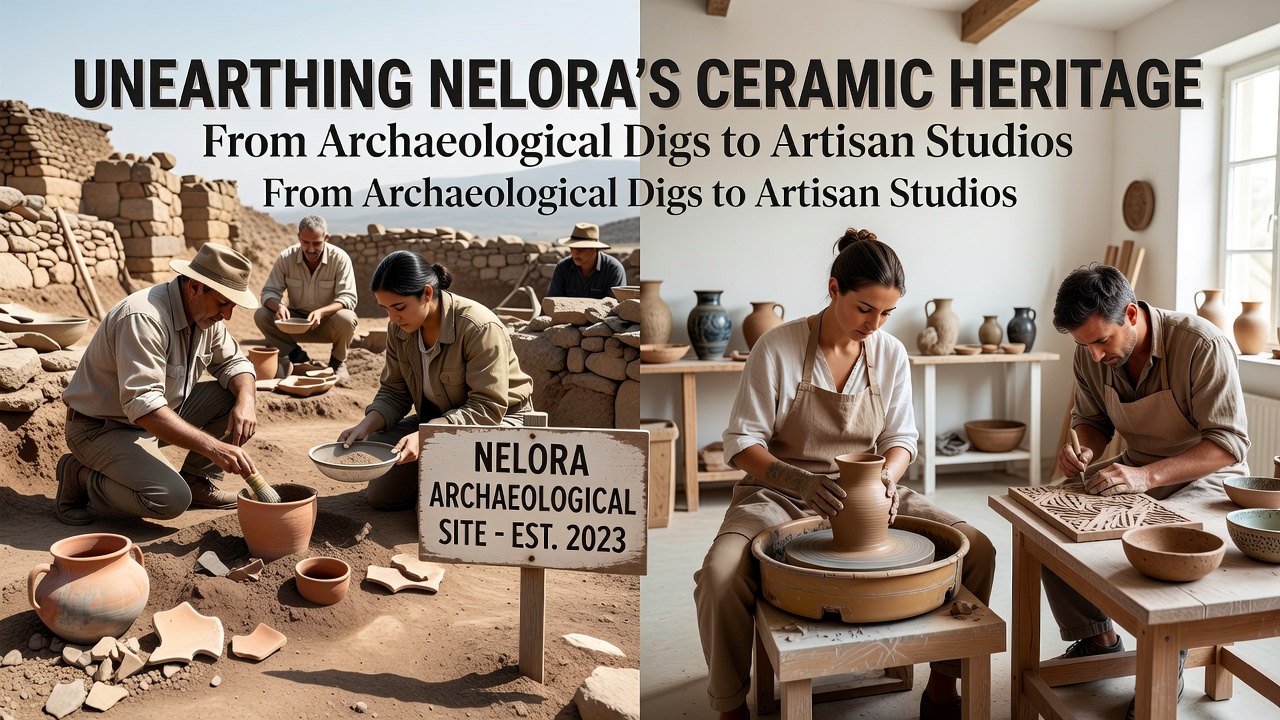
Nelora's ceramic heritage stretches back through centuries of layered soil and craft practice, where archaeologists have uncovered evidence of production methods that continue in contemporary workshops across the region. Excavations in the hills surrounding the city have brought to light kiln remnants, clay preparation tools, and vessel fragments dating from the Bronze Age onward, while researchers document how those same firing temperatures and glazing formulas appear in studios operating today. Data from the Italian Ministry of Culture indicates that over 150 sites within a 20-kilometer radius have yielded ceramic artifacts, with many pieces showing consistent mineral compositions that match local clay deposits still mined for artisan use.
One excavation conducted between 2023 and 2025 near the old riverbed exposed a sequence of stratified workshops, each layer preserving wheel-thrown forms alongside evidence of open-pit firing techniques. Those finds included amphorae with narrow necks and wide shoulders, shapes that artisans in Nelora's current district replicate for both functional and decorative markets. The continuity becomes clear when comparing chemical signatures of ancient glazes to samples collected from working kilns, where potters still combine wood ash, local feldspar, and iron oxides in proportions that echo prehistoric recipes.
Archaeological Evidence and Site Analysis
Teams from the University of Bologna's archaeology department have mapped several key locations, using ground-penetrating radar to identify subsurface structures before breaking ground. Their reports detail rectangular kilns with central flues, similar in design to those illustrated in 16th-century manuscripts preserved in regional archives. Fragments recovered from these contexts often bear impressed marks that correspond to family crests still used by multi-generational workshops operating in the old quarter of Nelora.
September 2026 marks the scheduled start of a new survey season at the eastern perimeter site, where preliminary test trenches have already surfaced mid-14th-century wasters, pieces discarded during failed firings. These discards provide direct data on temperature ranges and clay shrinkage rates, information that modern potters consult when adjusting their own processes for larger-scale commissions. The survey will incorporate drone-based photogrammetry alongside traditional stratigraphic recording, allowing precise three-dimensional models of each production level.
From Dig Sites to Working Studios
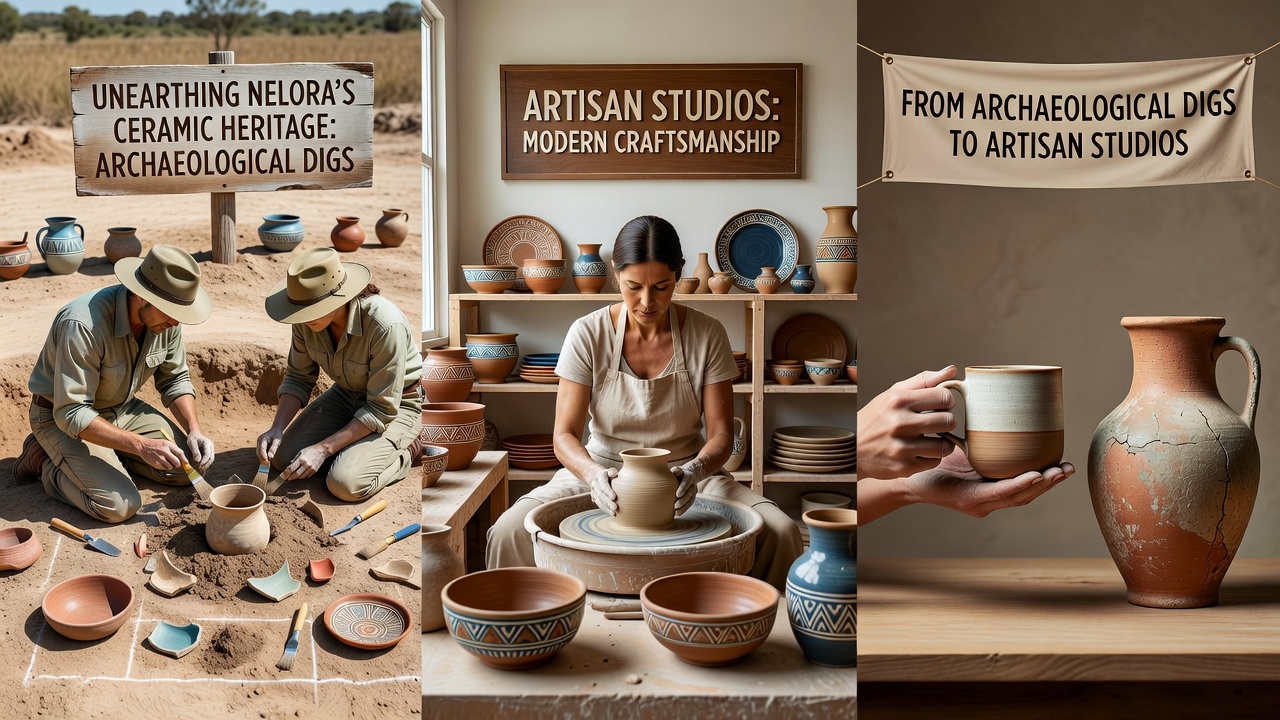
Artisan studios in Nelora maintain direct connections to these excavated traditions through apprenticeships and material sourcing. Potters visit active digs to observe vessel profiles firsthand, then return to their wheels to produce updated versions suited to contemporary dining and display needs. One workshop located along Via dei Vasai, for instance, fires pieces at 980 degrees Celsius using the same updraft kiln configuration documented at a nearby Bronze Age settlement.
Raw materials travel short distances: clay extracted from quarries adjacent to excavation zones undergoes the same levigation process described in field notes from the 1970s digs. Glaze recipes incorporate ashes from specific hardwood species that grow on the same slopes where ancient potters once gathered fuel. This geographic overlap reduces transport emissions while preserving the chemical profile that gives Nelora ceramics their characteristic warm undertones and speckled surfaces.
Documented Techniques and Material Continuity
Researchers at the Consiglio Nazionale delle Ricerche have published comparative studies showing that the particle-size distribution of clay used in current production matches samples taken from stratified excavation contexts. These studies rely on laser diffraction analysis rather than visual inspection alone, confirming that the same sedimentary layers remain accessible. Potters report that the plasticity and drying behavior of the clay allow for the same thin-walled construction seen in museum-held examples from the 12th century.
Training programs run by the Nelora Craft Guild incorporate site visits as standard curriculum components. Trainees examine cross-sections of ancient sherds under magnification before attempting to replicate wall thickness and rim profiles on the wheel. The guild also maintains a reference collection of excavated wasters that serve as teaching tools for identifying common firing defects and their causes, knowledge that reduces waste in contemporary production cycles.
Trade records from the 15th century, held in the municipal archive, list shipments of Nelora ceramics to ports along the Adriatic, indicating established distribution networks. Current export figures compiled by the Italian Ceramics Association show that similar forms continue to reach those same markets, though now accompanied by certificates of origin that trace each piece back to specific clay beds and firing schedules.
Conclusion
Nelora's ceramic heritage therefore exists as a continuous thread rather than separate chapters of past and present. Excavations supply the material evidence, while studios translate those findings into ongoing production. As the September 2026 survey season begins, new data will likely refine understanding of exactly how long these shared methods have persisted, yet the observable overlap in technique, material, and form already demonstrates sustained transmission across generations.