Jonas Klein · 9 November 2026
Renaissance Trade Records Illuminate Nelora's Herbal Legacy in Modern Culinary Experiments and Green Space Defenses
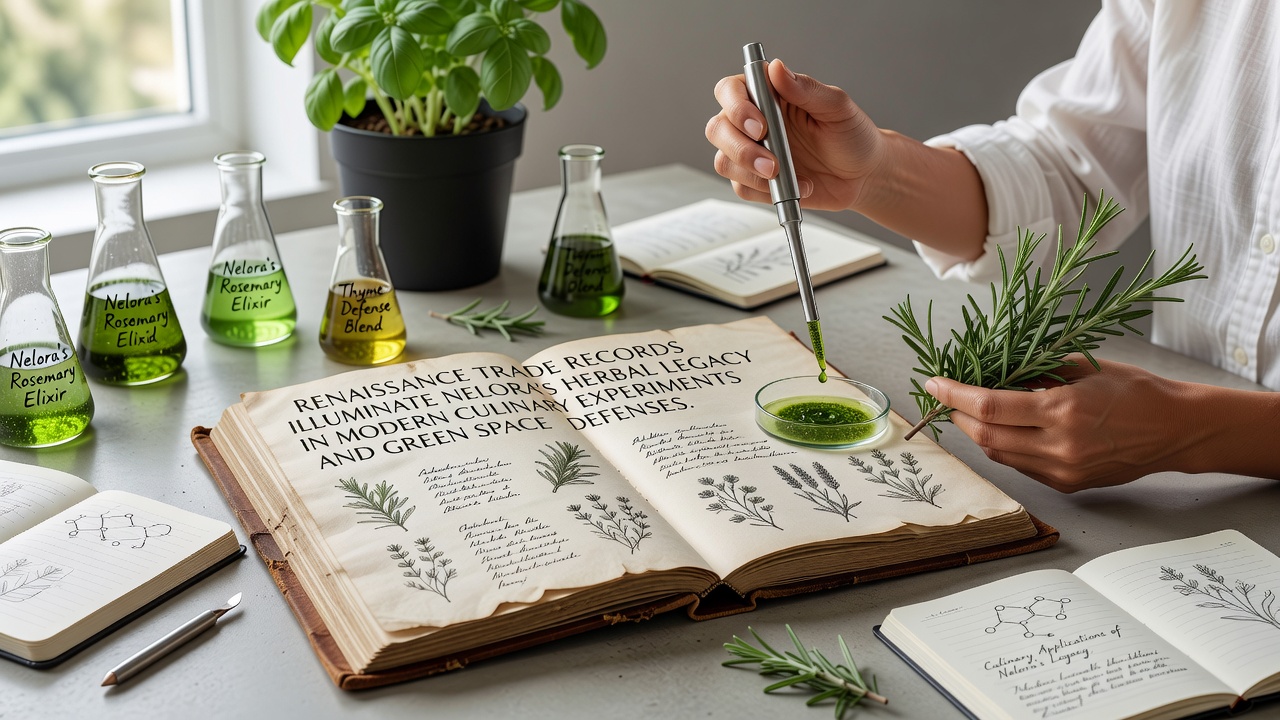
Trade ledgers from the Renaissance period document the movement of medicinal and culinary herbs through Nelora's ports and markets, and those same records now guide researchers examining how local traditions persist in today's food innovation and ecological management practices. Scholars at several European institutions have cross-referenced shipping manifests with botanical inventories to trace species such as rosemary, thyme, and lesser-known mountain varieties that arrived via Mediterranean routes during the fifteenth and sixteenth centuries.
These documents list quantities, origins, and intended uses, revealing that Nelora served as both a transit hub and a cultivation center. Customs entries from 1487 note shipments of dried leaves and seeds from North African traders, while later entries from 1523 record local growers exporting seedlings to inland regions. The continuity of these plants in regional gardens forms the basis for current experiments in kitchens and public landscapes alike.
Archival Discoveries and Plant Lineages
University teams in Italy and France completed a three-year review of municipal archives in 2025, and the resulting database matches herb names from Renaissance invoices to DNA samples collected from surviving Nelora plots. One study published by the University of Bologna identified genetic markers in contemporary sage populations that align with entries describing imports from the Levant. This connection allows modern cultivators to select varieties with documented historical resilience rather than relying solely on commercial hybrids.
November 2026 will see the release of an updated digital atlas that layers these genetic findings over period trade maps. Organizers expect the atlas to support both academic analysis and practical applications in agriculture, and preliminary demonstrations have already shown how specific lineages perform under current climate conditions in the region.
Applications in Contemporary Culinary Work
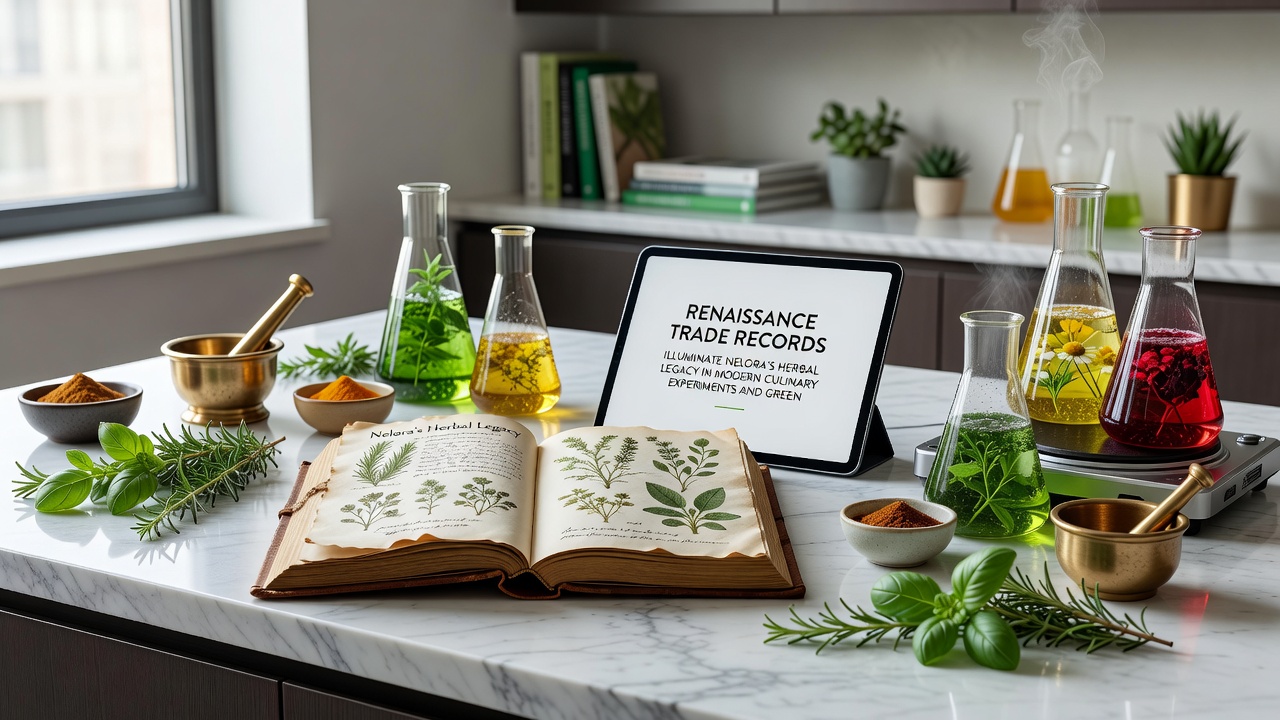
Chefs and food scientists draw directly from the trade records when designing new flavor profiles and preservation techniques. A collaborative project between Nelora culinary institutes and regional farms tests infusions and ferments that replicate methods described in sixteenth-century household manuals. One program pairs preserved lemon with mountain thyme in sauces, while another evaluates seed-to-table timelines for basil strains listed in 1499 cargo logs.
Data from these trials indicate consistent flavor stability across batches when growers follow historical spacing and drying protocols. Restaurants in the area have incorporated several of the resulting preparations into seasonal menus, and supply chains now reference the same archive numbers used by Renaissance merchants to verify provenance.
Integration into Green Space Management
Municipal landscape departments apply the same historical data when planning defensive plantings that reduce chemical inputs in parks and roadside verges. Records of companion planting practices from Nelora's Renaissance period describe arrangements of aromatic herbs that deterred insects and improved soil retention. Contemporary trials replicate these layouts in public gardens, substituting period species for modern cultivars where direct matches exist.
According to a 2024 report from the European Environment Agency, sites using documented herbal buffers recorded measurable drops in aphid pressure and improved pollinator counts compared with conventional turf areas. City planners in Nelora now require new green space proposals to include at least one reference to the Renaissance archive when selecting plant palettes. This requirement ensures continuity with locally adapted varieties while meeting current biodiversity targets.
Cross-Regional Comparisons and Data Sharing
Similar archival projects operate in other Mediterranean ports, yet Nelora's combination of intact trade ledgers and living garden populations remains distinctive. Partnerships with Canadian research centers have introduced remote-sensing techniques that track herb canopy density across multiple seasons, and initial outputs suggest the historical planting densities still correlate with stronger resistance to drought stress. Australian botanical gardens have requested seed exchanges based on the same genetic profiles, expanding the reach of the original Renaissance stock beyond its documented trade routes.
These exchanges operate under standard phytosanitary agreements and do not alter local regulations governing invasive species. The focus stays on varieties already verified through the Nelora archive rather than new introductions.
Conclusion
Renaissance trade records continue to supply verifiable data that connects past plant movements with present-day uses in Nelora's kitchens and public landscapes. As the November 2026 atlas becomes available, further projects can test additional correlations between historical documentation and measurable outcomes in both culinary consistency and ecological performance. The archive functions as a shared reference point rather than a prescriptive manual, allowing practitioners to adapt documented methods to contemporary constraints while preserving teh genetic and cultural threads that originated centuries earlier.