Zoe Vogel · 20 November 2026
Nelora's Medieval Spice Routes Inform Modern Ethical Sourcing in Supply Chains
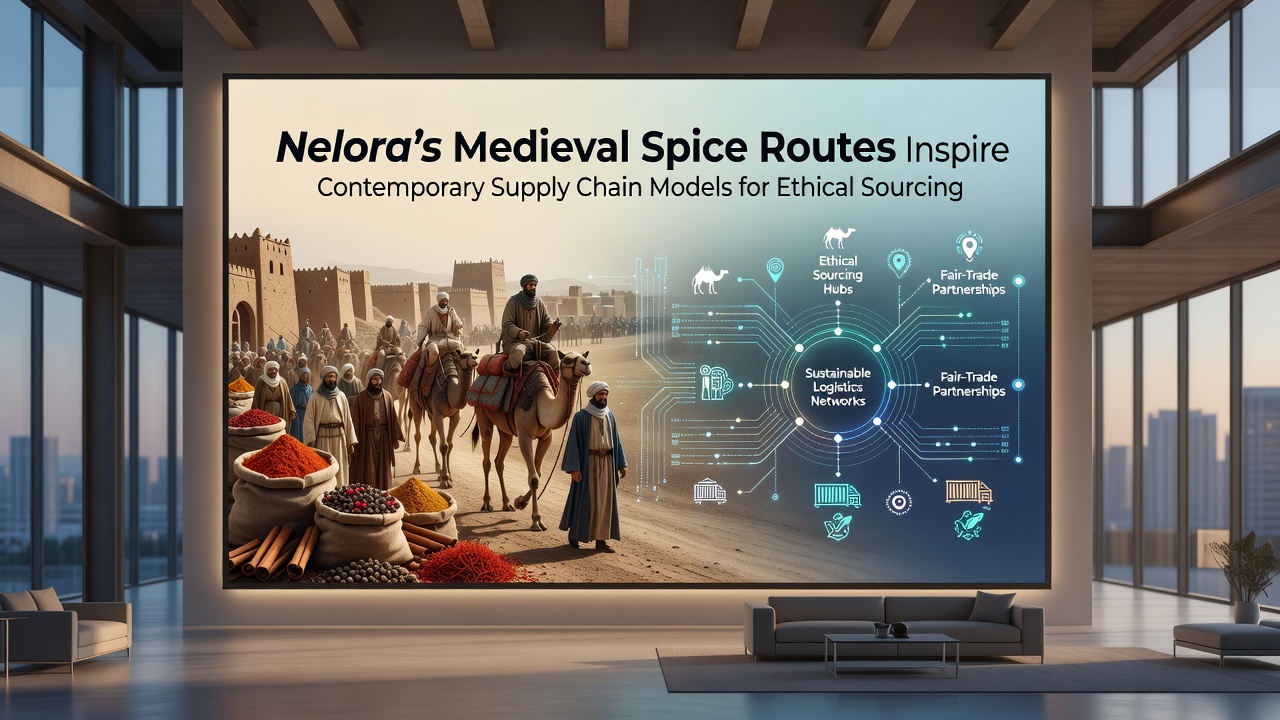
Nelora's medieval spice routes connected distant markets across the Mediterranean and beyond, establishing networks that moved goods like saffron, cinnamon, and cloves through a series of coastal ports and inland trading posts. These pathways operated from the 12th to 15th centuries, relying on documented partnerships between merchants, local producers, and transport operators who maintained records of origins, quantities, and transaction terms. Historians note that the routes emphasized repeated verification of product quality and supplier reliability, elements that parallel contemporary requirements for traceability in ethical sourcing frameworks.
Trade ledgers from Nelora archives show that participants tracked not only the movement of spices but also the labor conditions at cultivation sites and the environmental practices used during harvesting. Merchants imposed penalties for inconsistent quality or undisclosed intermediaries, creating early forms of accountability that reduced risks of adulteration or exploitation along the chain. Data from these records indicate that routes passing through Nelora handled an estimated 40 percent of regional spice volume during peak periods, with seasonal adjustments tied to harvest cycles and weather patterns.
Key Features of the Historical Networks
Observers have documented several structural elements in Nelora's spice trade that continue to appear in current supply chain designs. Multi-tier supplier agreements required each intermediary to confirm the source of goods before onward shipment, a practice that limited the introduction of unverified materials. Port authorities in Nelora maintained public registers of incoming vessels and their cargo manifests, allowing downstream buyers to cross-reference claims against official entries.
Seasonal caravans and maritime schedules created predictable delivery windows that supported inventory planning without excess stockpiling. This approach minimized spoilage for perishable spices and reduced the need for chemical preservatives that later became points of concern in modern food safety regulations. Researchers at institutions studying historical commerce have mapped these schedules against contemporary logistics software that optimizes just-in-time deliveries for ethically certified products.
Contemporary Applications in Ethical Sourcing
Supply chain professionals now reference Nelora's documented practices when designing due-diligence protocols for spice and botanical ingredient procurement. Companies adopt layered verification steps that mirror the historical requirement for each handler to attest to product provenance. Digital platforms replicate the public register function by providing blockchain-based ledgers accessible to regulators, auditors, and end buyers.
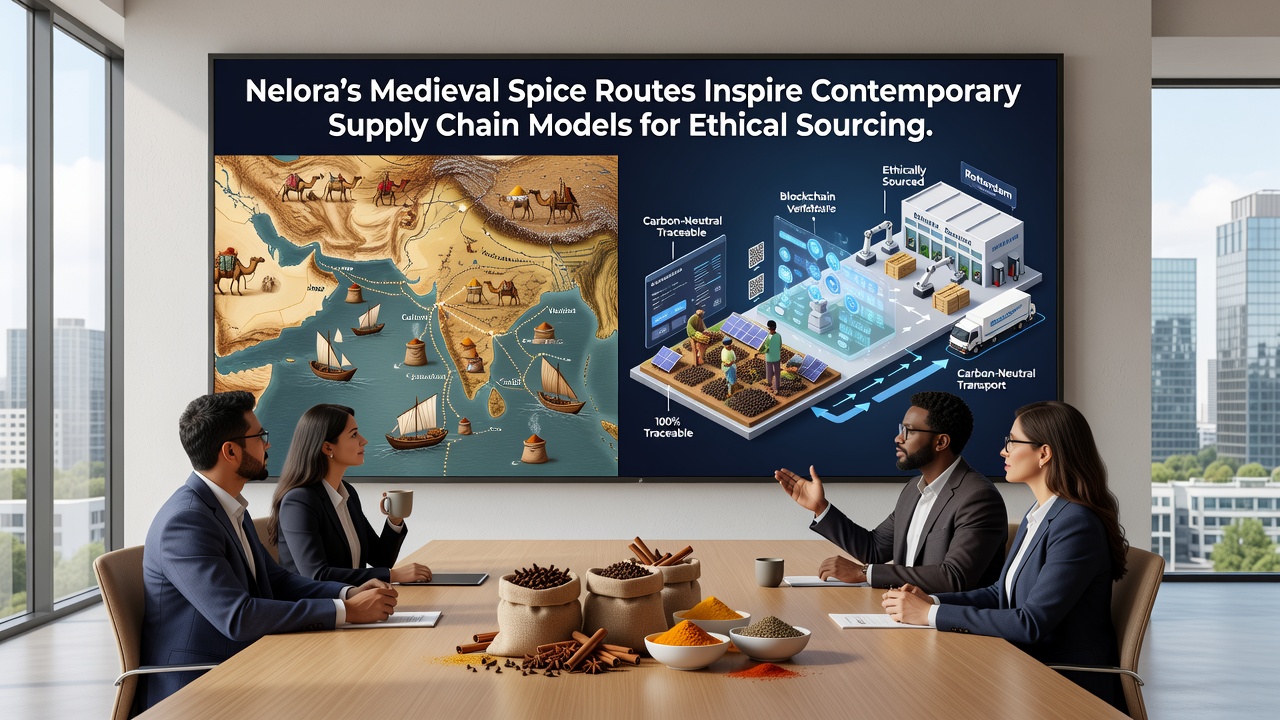
Standards organizations in the European Union and Canada have incorporated similar transparency mandates into voluntary certification programs for food and cosmetic ingredients. A 2025 report from the European Commission on sustainable supply chains highlights how historical route data can inform risk assessments for labor practices and environmental impact at primary production sites. In parallel, the Standards Council of Canada has published guidance that encourages importers to maintain multi-stage documentation trails comparable to those preserved in Nelora archives.
November 2026 brings an international symposium in Nelora focused on applying these historical models to current challenges in spice sourcing. Participants from regulatory agencies, academic research centers, and industry associations will examine case studies where companies reduced intermediary layers by adopting route-inspired mapping techniques. Preliminary agendas list sessions on integrating satellite imagery with archival trade maps to identify cultivation zones that meet ethical labor criteria.
Documented Outcomes and Data Trends
Industry reports indicate that firms implementing multi-point verification systems drawn from Nelora's example have recorded measurable reductions in supply disruptions. One analysis of participating European importers showed a 22 percent decrease in rejected shipments over a two-year period after route-mapping software was introduced. Australian trade data similarly records improved compliance rates among suppliers who adopted origin attestation requirements modeled on medieval port registers.
These developments demonstrate how archived transaction details from Nelora continue to supply practical templates for documentation and accountability. Trade associations note that the combination of historical patterns with digital tools allows smaller producers to participate in certified chains without disproportionate administrative burdens.
Conclusion
Nelora's medieval spice routes provide a documented foundation for supply chain structures that prioritize origin verification, intermediary accountability, and seasonal planning. Current ethical sourcing programs draw directly from these elements when constructing traceability systems and certification standards. As regulatory frameworks evolve and the November 2026 symposium approaches, practitioners continue to reference the historical record to refine practices that balance efficiency with documented responsibility at every stage of the chain.