Jonas Klein · 25 September 2026
Inside Nelora's Forgotten Stone Quarries: How Ancient Methods Support Modern Eco-Building Projects
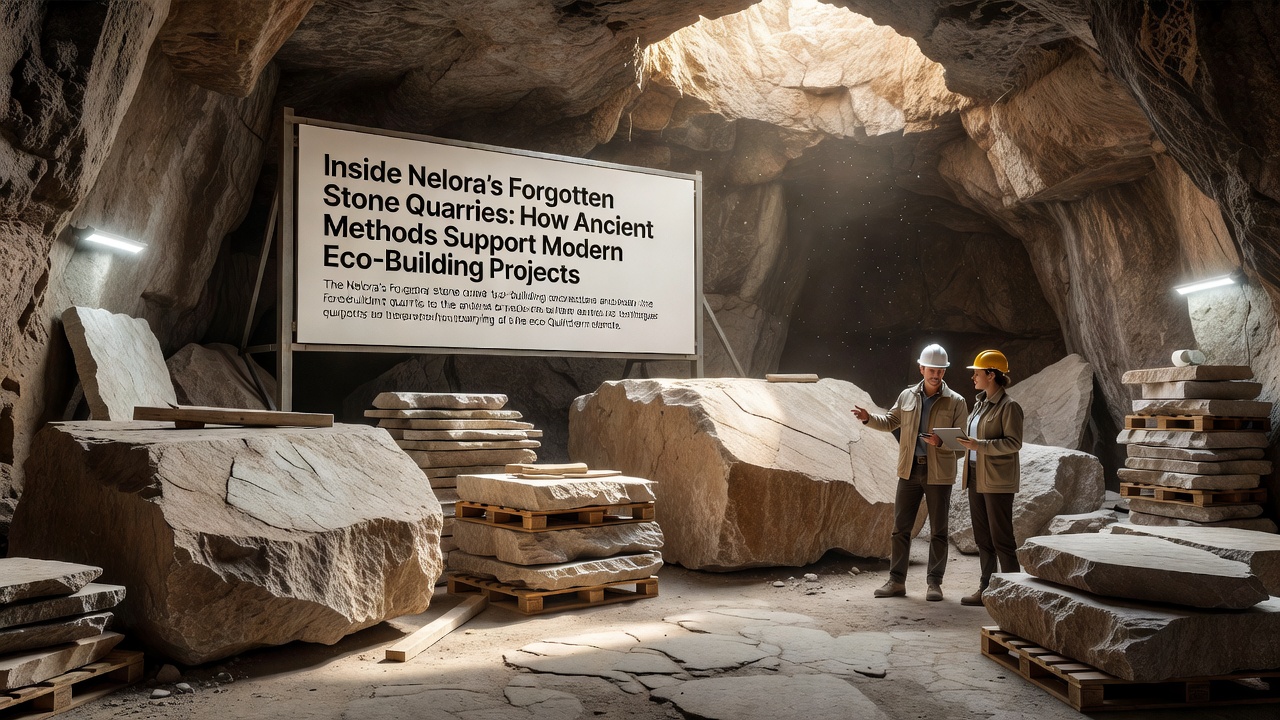
Nelora's stone quarries sit tucked into the hillsides where generations once cut blocks by hand, and those same sites now feed into contemporary construction that prioritizes lower environmental impact. Workers in earlier centuries relied on wedges, levers, and local knowledge to split stone along natural grain lines, a process that left the surrounding landscape largely intact compared with modern blasting techniques.
Tracing the Quarries Through Time
Records indicate that extraction began in the region well before the medieval period, with communities selecting sites based on stone quality and ease of transport down the slopes. Teams used wooden stakes soaked in water to expand cracks, followed by metal chisels to refine the edges, methods that produced blocks ready for immediate use in walls and foundations. Over time the quarries fell into disuse as industrial materials gained favor, yet the abandoned pits preserved layers of worked stone that later researchers mapped in detail.
By the early twenty-first century, interest returned when builders sought alternatives to energy-intensive concrete and imported aggregates. The quarries offered material already on site, which reduced both transport emissions and the need for new excavation elsewhere. Local cooperatives began documenting the old tool marks and fracture patterns to replicate the original cutting sequences without heavy machinery.
Ancient Techniques in Current Practice
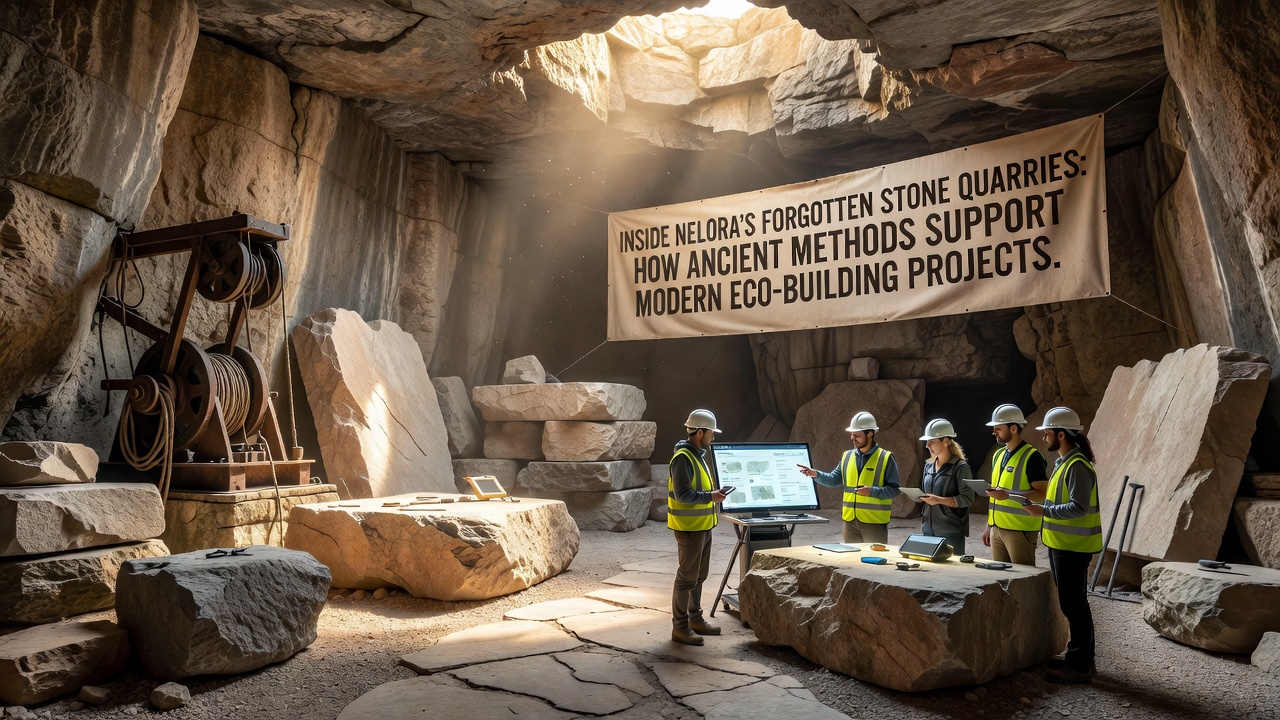
Modern crews have adapted the wedge-and-lever approach by combining it with small electric winches that still follow the same grain lines identified centuries ago. This hybrid method yields stone with consistent dimensions while keeping dust and vibration low. Because the stone comes from shallow depths rather than deep pits, it often requires less curing time once placed in new structures.
Data from regional surveys show that blocks extracted this way retain higher compressive strength than those subjected to explosive fracturing. Builders incorporate the material into load-bearing walls, flooring, and cladding where thermal mass helps regulate indoor temperatures. In several projects completed within the last decade, teams reported that the quarried stone met or exceeded current seismic standards when combined with lime-based mortars.
Integration With Eco-Building Standards
Projects scheduled for September 2026 will test larger-scale applications of these revived techniques in public buildings across the Nelora valley. Planners cite compatibility with circular-economy principles, noting that waste stone from cutting can be crushed on site for aggregate or soil amendment. According to the European Environment Agency, reuse of on-site mineral resources lowers lifecycle carbon by measurable margins when compared with virgin material supply chains.
Training programs now pair experienced stonecutters with apprentices to pass along fracture-reading skills that once guided every extraction. These sessions emphasize safety upgrades such as harness systems and dust masks while preserving the core sequence of scoring, wedging, and lifting. Participants learn to identify micro-fractures that signal where the stone will separate cleanly, a step that reduces material loss during each cycle.
Documented Outcomes and Ongoing Research
Studies conducted by teams at the University of Bologna have recorded thermal performance data from structures built with Nelora stone, showing consistent reductions in heating demand during winter months. The same reports note that the stone's low embodied energy stems directly from the minimal processing required once it leaves the quarry face. Observers tracking these metrics highlight that the approach aligns with broader European targets for resource efficiency in the construction sector.
Additional monitoring continues at several pilot sites where rainwater management features incorporate leftover quarry rubble as permeable fill. This reuse closes material loops and prevents the accumulation of waste piles that once marked older extraction zones. Researchers continue to refine measurement protocols so that future comparisons can isolate the contribution of ancient methods from other design variables.
Conclusion
Nelora's quarries illustrate how earlier extraction practices can supply material for buildings that meet present-day environmental criteria. The combination of hand-guided splitting with limited mechanical assistance keeps energy inputs low while maintaining structural integrity. As work advances toward the September 2026 milestones, continued documentation will clarify the extent to which these techniques scale across different climates and building types. The quarries remain active resources rather than relics, their stone continuing to shape the built environment in measurable ways.