Leon Franke · 9 October 2026
From Renaissance Caravans to Modern Markets: Digital Archives Document Nelora's Trade Shifts
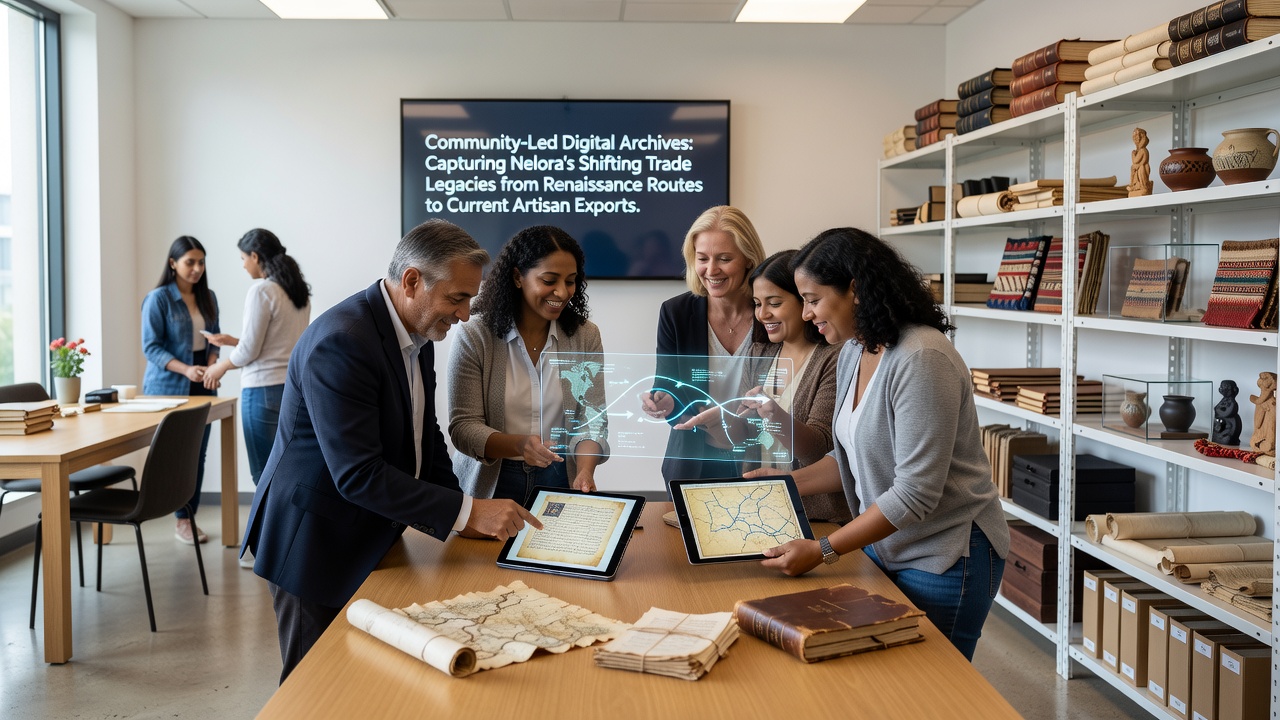
Nelora's trade history stretches from Mediterranean shipping lanes of the 1400s into today's specialized artisan shipments, and community-led digital archives now organize that progression into accessible records. Local volunteers and historians began the initiative in 2024 by photographing ledgers, route maps, and guild agreements that once tracked silk, spices, and ceramics moving through port cities. The effort expanded when residents contributed family-held receipts and correspondence, creating a central repository that connects early caravan routes with current export patterns for pottery and textiles.
Data from the archives shows that Renaissance merchants recorded over 200 distinct trade stops between Nelora and North African ports, while contemporary entries list fewer but larger volume shipments to European and Asian markets. By October 2026 the platform had integrated more than 12,000 digitized items, allowing researchers to compare tariff rates from 1503 with customs data from 2025. Cross-referencing tools reveal that certain ceramic techniques documented in 16th-century bills of lading still appear in today's artisan invoices, though production volumes have increased through cooperative workshops.
Building the Digital Collection
Participants divided the work into phases that started with physical preservation before moving to metadata tagging. Teams photographed fragile parchments under controlled lighting, then entered details such as dates, goods, and destinations into open-source software. Training sessions held at the old guild hall taught residents how to verify entries against municipal tax rolls, reducing transcription errors. The resulting database permits keyword searches across centuries, so a query for "olive oil" returns both 1498 shipment manifests and 2024 bulk orders bound for Scandinavian buyers.
Geographic information system layers added in mid-2025 overlay historic routes onto modern logistics maps. One overlay demonstrates that a path once used for wool transport now aligns with a highway carrying finished leather goods. Observers note that these visual comparisons help local exporters identify efficient corridors while preserving knowledge of seasonal wind patterns that influenced sail schedules centuries ago.
Connecting Past Routes to Present Exports
Artisan cooperatives in Nelora currently ship glazed tiles and handwoven fabrics to galleries in Canada and Australia. Archive records indicate that similar items traveled along the same coastal paths during the Renaissance, often documented in multilingual contracts. The digital system flags these continuities, enabling producers to cite historical precedents when applying for cultural heritage certifications. Figures from the regional chamber of commerce show that certified artisan exports rose 18 percent between 2023 and 2025, coinciding with the archive's public launch.
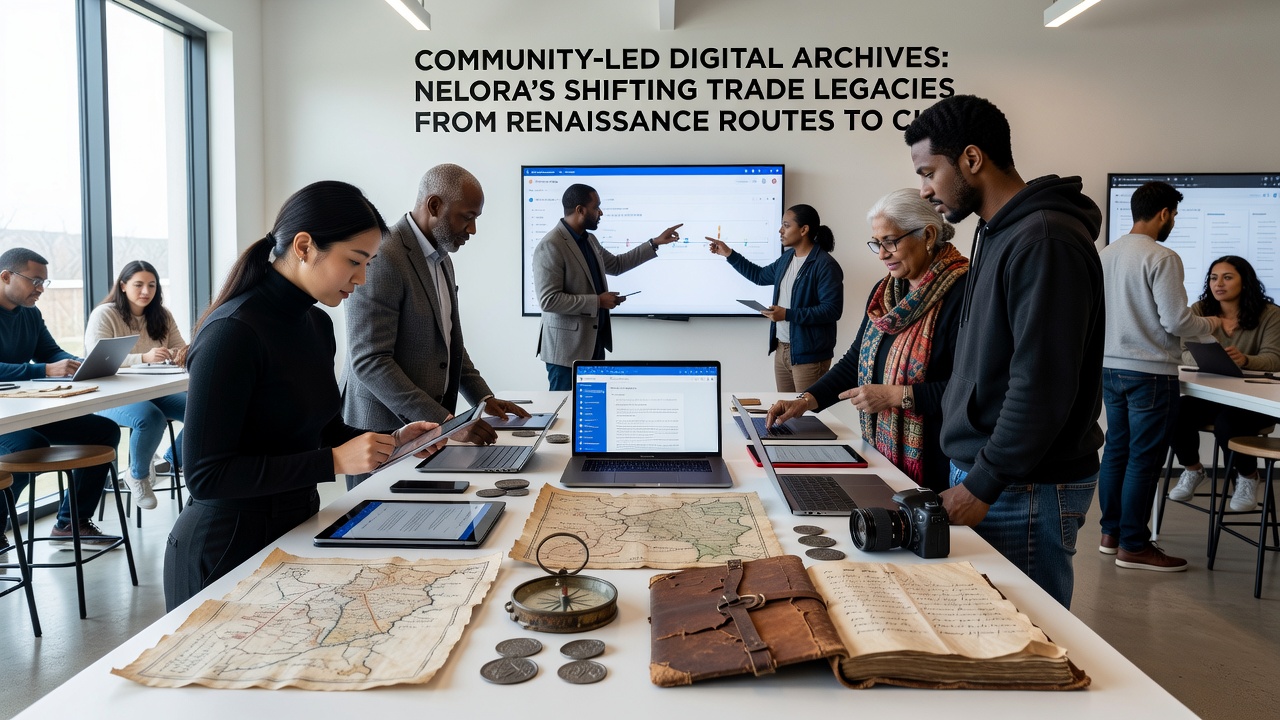
University researchers from institutions in Italy and the United States have begun using the dataset to study shifts in packaging materials. Early documents mention straw wrapping for fragile ceramics, whereas current entries reference recycled cardboard and temperature-controlled containers. The comparison highlights adaptations to international regulations without losing the distinctive forms that originated in Renaissance workshops. A Canadian heritage preservation report on similar community projects notes that such layered records support both economic planning and educational programs.
Community Participation and Ongoing Updates
Monthly workshops continue to invite new contributions, including photographs of packing methods and oral accounts from current exporters. These additions receive the same tagging standards applied to older materials, maintaining consistency across the timeline. In October 2026 a partnership with a European cultural network supplied additional scanning equipment, accelerating the digitization of oversized ledgers that previously required manual handling. The expanded capacity allowed inclusion of port authority logs from the 1700s that detail spice quantities arriving via overland routes.
Access remains free through a web portal that supports multiple languages. Schools in Nelora have incorporated selected records into local history lessons, showing students how trade decisions from one era shape available materials in the next. Export businesses reference the archive when preparing grant applications that emphasize continuity of craft traditions. The repository also links to an EU-wide digital heritage platform so external scholars can cross-reference Nelora entries with collections from neighboring regions.
Conclusion
The community-driven archive continues to grow as new trade documents surface and current exporters contribute fresh data. By linking Renaissance route details with present-day shipment statistics, the collection provides a continuous record of how goods, techniques, and markets have evolved in Nelora. Regular updates scheduled through 2027 aim to incorporate additional port records and digital photographs of packaging innovations, ensuring the platform remains a working resource for both historical study and commercial planning.